Maximizing the Chill: Top Pallet Racking Systems for Cold Storage Warehouses
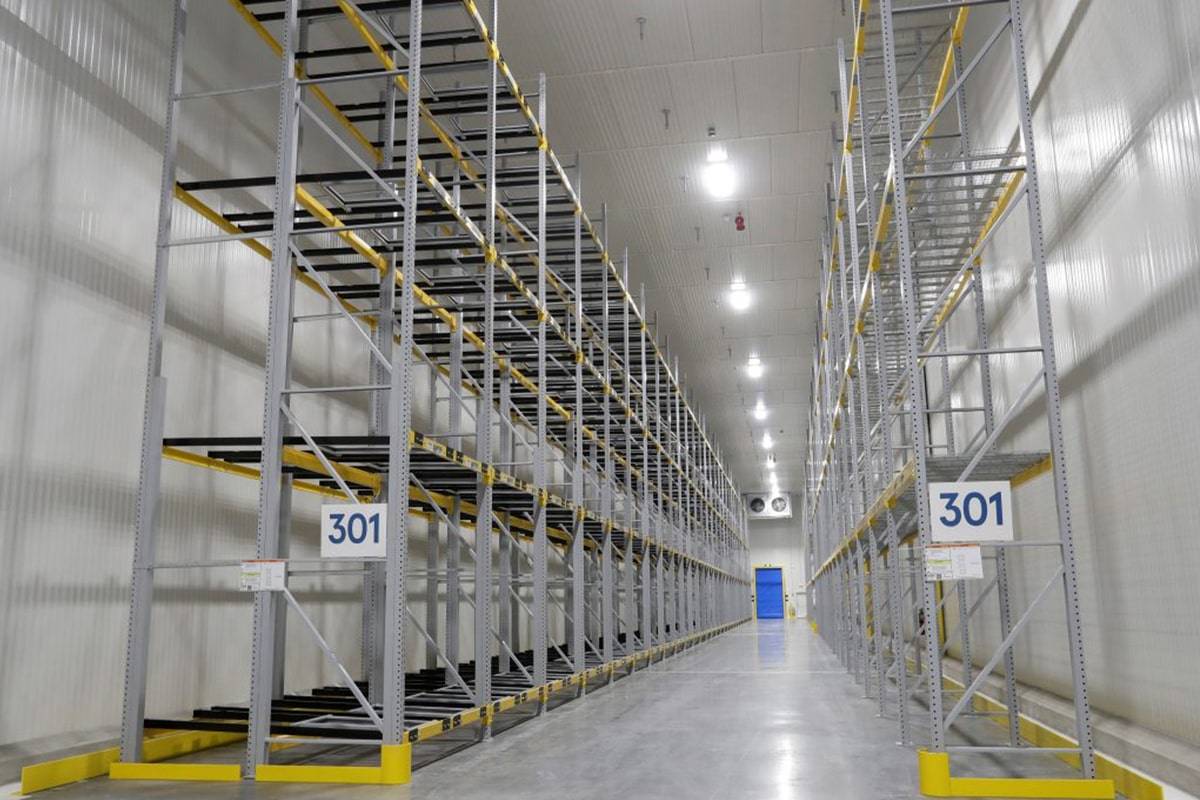
Cold storage is one of the most demanding environments in the logistics industry. Operating a warehouse at temperatures well below freezing requires a delicate balance of thermal efficiency, structural integrity, and spatial optimization. Because every cubic foot of refrigerated space is significantly more expensive to maintain than ambient storage, the choice of a pallet racking system is not merely a matter of organization; it is a critical factor in the facility’s profitability. Selecting the right system involves understanding how different racking designs interact with airflow, how materials behave in extreme cold, and how to minimize the time doors remain open during loading and unloading.
The Economic Pressure of Cold Storage Density
In a standard warehouse, floor space is the primary concern. In a cold storage facility, the focus shifts to volume. Because cooling a half-empty room costs nearly the same as cooling a full one, high-density storage is the gold standard. Traditional selective racking, while versatile, often leaves too much empty space dedicated to wide aisles. For refrigerated environments, systems that eliminate unnecessary aisles and pack pallets closer together provide a much higher return on investment by spreading the high utility costs over a larger number of pallet positions.
Density must be balanced with the need for air circulation. If pallets are packed too tightly without a strategic plan, “hot spots” can develop where cold air cannot reach the product. This is particularly dangerous for perishable food items or pharmaceuticals that require a strict temperature range. The best systems for cold storage are those that achieve maximum density while still allowing for the consistent movement of chilled air throughout the rack structure.
Drive-In and Drive-Through Racking Systems
Drive-in racking is a popular choice for cold storage facilities that handle large quantities of the same product. This system allows forklifts to drive directly into the racking rows to place or retrieve pallets. By eliminating the need for aisles between every row, drive-in racking can increase storage capacity by as much as seventy-five percent compared to standard selective setups. It operates on a Last-In, First-Out basis, making it ideal for products with long shelf lives or those that move in large batches.
The primary advantage here is the reduction of total volume that needs to be cooled relative to the amount of product stored. However, because forklifts operate inside the structure, these racks must be built with heavy-duty steel and reinforced uprights to withstand the increased risk of accidental impact, which can be more common when operators are dressed in bulky cold-weather gear and visibility is reduced by condensation.
Mobile Pallet Racking: The Ultimate Space Saver
Perhaps the most innovative solution for the cold chain is mobile pallet racking. In this configuration, the racks are mounted on heavy-duty motorized carriages that move along tracks embedded in the floor. Instead of having an aisle for every two rows of racks, the system only requires one “floating” aisle. When an operator needs to access a specific pallet, they use a remote or a control panel to move the racks, opening an aisle exactly where it is needed.
Mobile racking can increase storage capacity by up to one hundred percent within the same footprint. In cold storage, this means you can effectively double your inventory without increasing your refrigeration bill. While the initial investment in the motorized components is higher than static racking, the long-term savings in energy and land costs often make it the most cost-effective solution for permanent refrigerated facilities.
Conclusion
Building a successful cold storage operation requires a specialized approach to infrastructure. By moving away from standard selective racking and toward high-density solutions like mobile, drive-in, or flow systems, warehouse managers can significantly reduce their energy costs and maximize their throughput. The right pallet racking system acts as a thermal buffer, an organizational tool, and a protector of the bottom line. As the global demand for refrigerated goods continues to rise, investing in a robust, high-density racking solution is the most effective way to ensure that your cold storage facility remains competitive, efficient, and reliable.


